

Minimalist kitchens are designed around simplicity, clarity, and function. Instead of decorative excess, this style focuses on clean lines, smart storage, and calm finishes. It is one of the most popular choices for modern homes because it creates a space that feels open, organised, and timeless.
This guide explains minimalist kitchen design by breaking it down into layouts, colours, and materials so you can understand what truly defines minimalist style kitchens.
What Is a Minimalist Kitchen
A minimalist kitchen removes unnecessary elements and keeps only what adds value. The design feels calm and uncluttered while remaining practical for daily use.
In minimalist kitchens, cabinetry is sleek, benchtops are kept clean, and appliances are often integrated. This approach works well in both apartments and large homes and is especially popular in minimalist kitchens Melbourne homeowners choose for modern living.
A well designed modern minimalist kitchen balances simplicity with warmth, so the space never feels empty or cold.

Minimalist Kitchen Layouts
The layout is the foundation of good minimalist kitchen design. It controls how the space flows and how clean it feels visually.
Common Layouts for Minimalist Kitchens
L-shaped kitchens
This layout is ideal for minimalist style kitchens because it keeps walls open and reduces visual clutter. It works well for both small and medium kitchens.
Galley kitchens
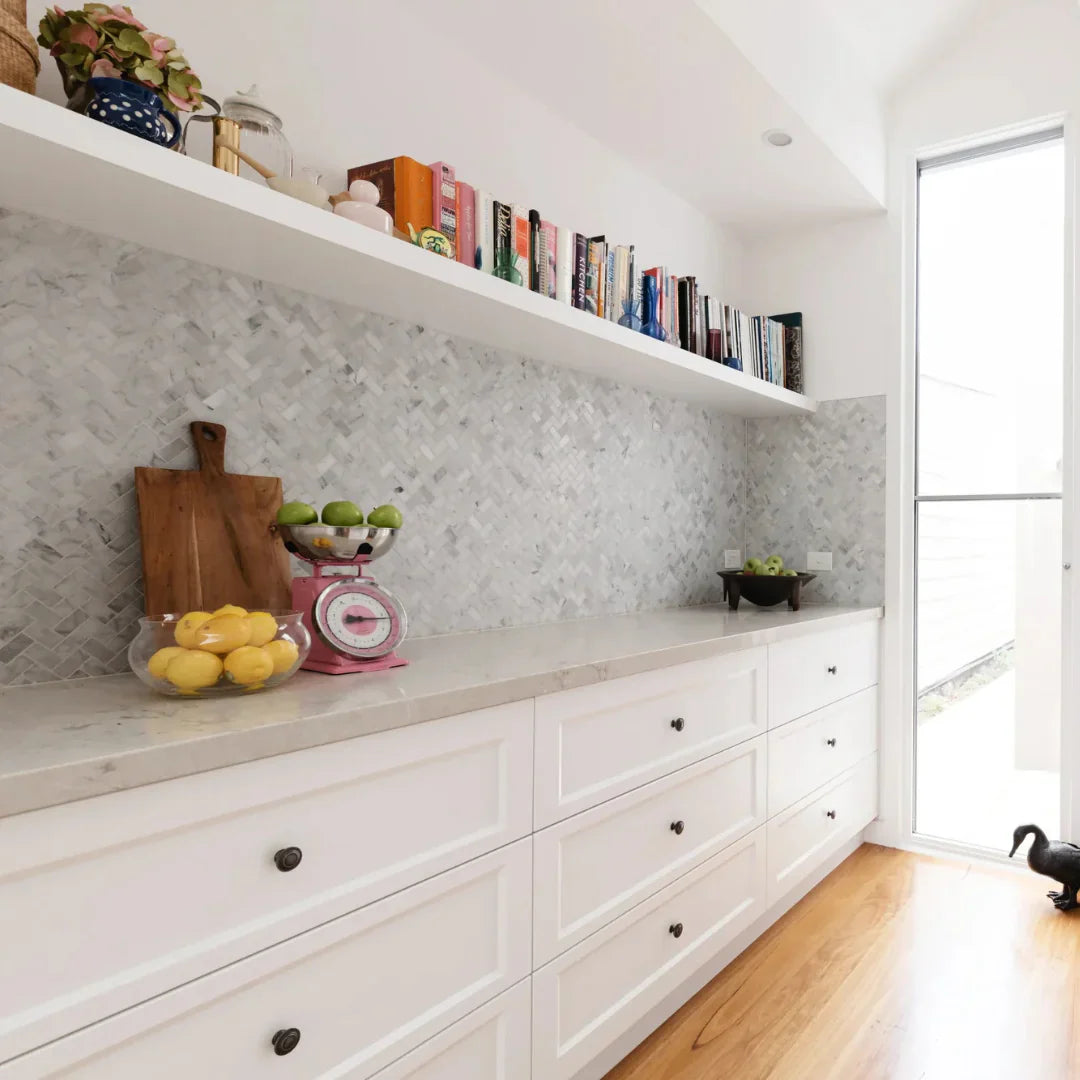
Galley layouts are efficient and streamlined, making them perfect for minimalist kitchens. Parallel cabinetry creates strong, clean lines.
Island kitchens
Kitchen islands are common in minimalist kitchens Melbourne homes prefer. The island often combines preparation space, storage, and seating while maintaining a simple form.
Handle free layouts
Push to open doors or recessed handles help maintain the smooth look expected in modern minimalist kitchen designs.
Colours Used in Minimalist Kitchens
Colour selection plays a key role in achieving a successful minimalist kitchen. The palette is controlled, neutral, and consistent.
Popular Colours in Minimalist Kitchen Design
White and soft off whites
These colours enhance light and make minimalist kitchens feel larger and more open.
Neutral greys and warm beiges
These tones add subtle depth while keeping the look clean and balanced.
Natural wood tones
Timber adds warmth and texture to minimalist style kitchens and prevents the space from feeling too sterile.
Charcoal and muted black accents
Used sparingly, these colours bring contrast to a modern minimalist kitchen without overpowering the design.
Avoid using too many colours as this can disrupt the minimalist aesthetic.
Materials That Define Minimalist Kitchens
Materials in minimalist kitchen design are chosen for durability, simplicity, and visual calm. Quality matters more than quantity.
Common Materials Used
Cabinetry materials
Matte finishes, wood veneers, and soft-touch laminates are popular in minimalist kitchens. Gloss finishes are usually avoided unless used minimally.
Benchtops
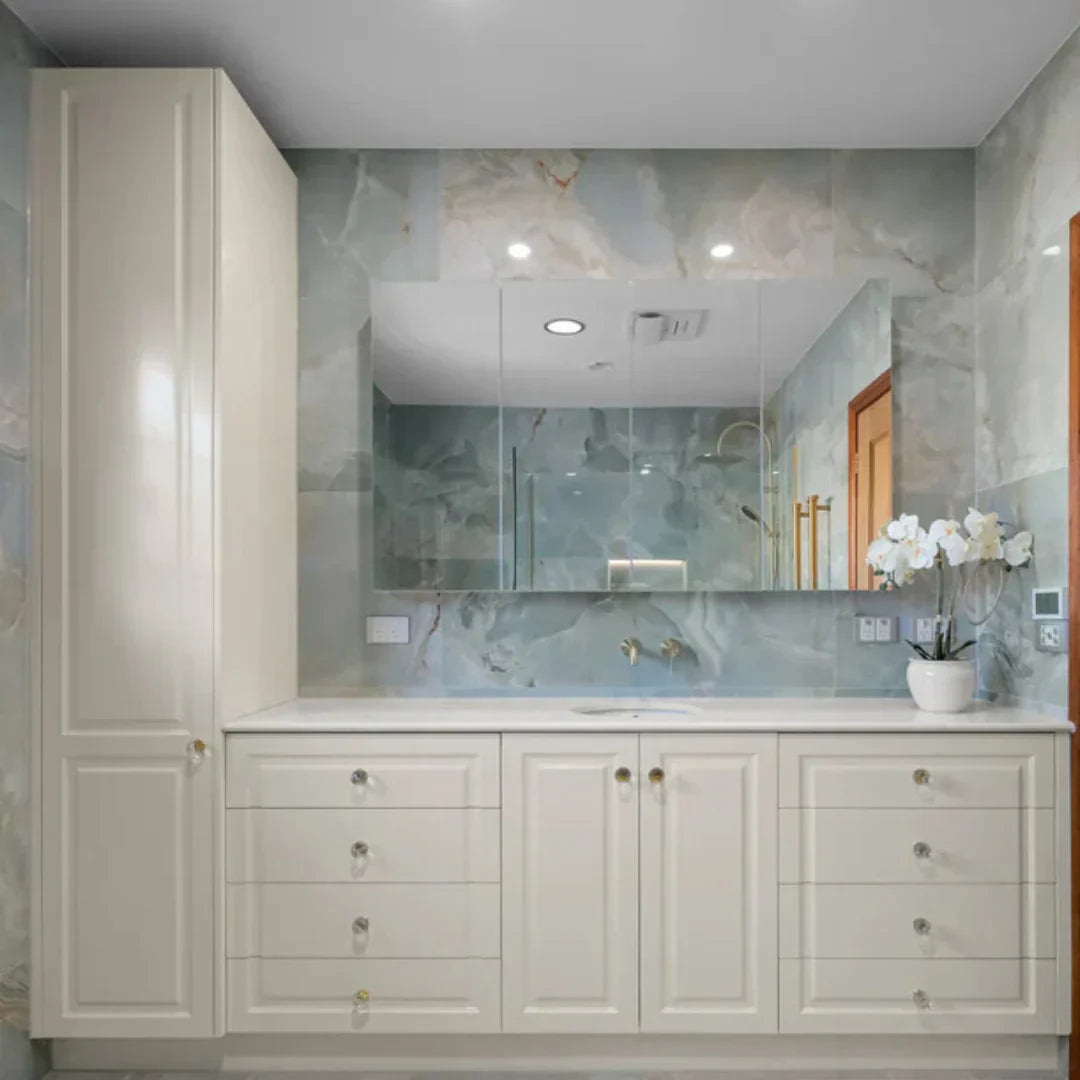
Engineered stone, porcelain, and natural stone are widely used in minimalist kitchens in Melbourne homes. These materials offer clean edges and long lasting performance.
Splashbacks
Glass stone slabs or large format tiles keep surfaces seamless and easy to clean.
Flooring
Timber, concrete, and neutral tiles pair well with minimalist style kitchens and reinforce the clean design language.
Kitchen Ideas for a Minimalist Look
These minimalist kitchen ideas that homeowners can use to maintain simplicity and function
- Choose integrated appliances
- Keep benchtops clear and uncluttered
- Use concealed storage wherever possible
- Limit decorative items
- Focus on simple lighting fixtures
- Stick to one or two key materials
These ideas strengthen the overall minimalist kitchen design and improve everyday usability.
Why Minimalist Kitchens Work Well in Melbourne Homes
Minimalist kitchens Melbourne homeowners choose are practical, easy to maintain, and visually timeless. They suit open-plan living, modern renovations, and new builds.
This style also adapts well to family life by encouraging organisation, efficient storage, and simple cleaning routines.
Modern Style Kitchen Ideas for New Homes and Renovations
Why Vinyl Wrap Kitchens Are a Cost Effective Renovation Option
Hamptons Kitchen Renovation Guide for Melbourne Homes
Frequently Asked Questions About Minimalist Kitchens
Q. What is the main feature of a minimalist kitchen?
The main feature of a minimalist kitchen is simplicity. Clean lines clutter free surfaces, and functional storage define a strong minimalist kitchen design.
Q. Are minimalist kitchens suitable for small spaces?
Yes, minimalist kitchens work extremely well in small homes. Smart layouts and concealed storage help maximise space and light.
Q. What colours work best in minimalist style kitchens?
Neutral tones such as white, grey, beige, and natural wood are ideal for minimalist style kitchens. Dark accents can be added for contrast in a modern minimalist kitchen.
Q. Do minimalist kitchens feel cold?
When designed properly, minimalist kitchens feel warm and welcoming. Timber textures, soft lighting, and balanced colours help create comfort.
Q. Are minimalist kitchens easy to maintain?
Yes, minimalist kitchens are easy to clean and maintain because they have fewer decorative elements and smooth surfaces.
Q. Can a minimalist kitchen include an island?
Yes, islands are common in minimalist kitchens Melbourne homeowners prefer. The key is keeping the island simple and uncluttered.
Q. Are minimalist kitchens a good long term choice?
Yes, minimalist kitchen design is timeless. Neutral colours and simple forms age well and suit changing trends.
Conclusion
Minimalist kitchens are not about doing less. They are about doing things with intention. The right layout improves flow, calm colours enhance space, and quality materials ensure durability.
When planned properly, a minimalist kitchen feels practical, warm, and effortlessly modern.

Leave a comment
This site is protected by hCaptcha and the hCaptcha Privacy Policy and Terms of Service apply.